

 Join
Join
Why Is Rett Syndrome More Common in Girls?


Key Takeaways
- Rett syndrome is a rare genetic disorder that mainly affects girls, impacting movement, growth, and development, with most children showing typical development in the first 6 to 18 months before losing previously achieved milestones. View all takeaways
Rett syndrome is a rare genetic disorder that mainly occurs in girls, affecting 1 in 9,000 to 1 in 10,000 females worldwide. In recent years, researchers have identified more boys with conditions related to the same genetic change linked to Rett. Nevertheless, the neurological condition is still far more common in girls.
Why? The reason comes down largely to genetics. The MECP2 gene, which is most commonly associated with Rett syndrome, is located on the X chromosome. Understanding how this gene is inherited can help families make sense of why Rett syndrome usually affects girls and why it can look different in boys.
This article explains why Rett syndrome is more likely to occur in girls and how genetics plays a role.
What’s Rett Syndrome?
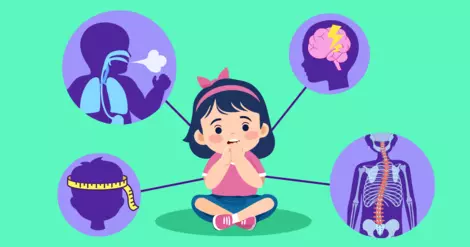
Rett syndrome is a rare neurodevelopmental disorder (brain and development condition) that affects movement and growth. Children often appear to develop typically for the first six to 18 months of life. Then they may lose previously achieved milestones such as communication skills, motor skills, and purposeful hand use.
Over time, many people with Rett syndrome can develop symptoms such as:
- Repetitive hand movements (hand-wringing)
- Problems with walking and balance
- Seizures
- Intellectual disabilities
- Breathing problems
- Heart-rhythm abnormalities
- Muscle weakness
- Changes in growth
- Scoliosis (abnormal spine curvature)
Rett syndrome can also affect life expectancy in people with complications of the disease. This condition requires lifelong medical and supportive care.
But why does this condition mostly affect girls?
The Gene for Rett Syndrome Is on the X Chromosome
To understand the sex difference, it helps to review a few basics about chromosomes.
Humans have 23 pairs of chromosomes in most cells. One pair determines biological sex. Females typically have two X chromosomes (XX). Males typically have one X and one Y chromosome (XY).
In most cases, Rett syndrome is caused by a change (mutation) in the MECP2 gene, which is located on the X chromosome. The MECP2 gene plays a critical role in brain development and function. It helps regulate how other genes are turned on and off in nerve cells, especially as the child’s brain matures.
When MECP2 doesn’t function properly, brain development is disrupted. This leads to the communication, motor, breathing, and cognitive challenges seen in Rett syndrome.
Girls Typically Have 2 X Chromosomes
Females typically have two X chromosomes, while males typically have one X chromosome. Because the MECP2 gene is located on the X chromosome, Rett syndrome is linked to changes in this gene.
When a person has two X chromosomes, and one carries an MECP2 mutation, the other X chromosome usually carries a working copy of the gene. That working copy does not prevent Rett syndrome, but it often helps support survival beyond infancy and contributes to the more typical pattern of early development followed by regression.
For people who have only one X chromosome, and it carries a harmful MECP2 mutation, there is no second copy to compensate. As a result, male fetuses who have the MECP2 mutation tend to either have much more severe symptoms or die in utero (miscarriage) or shortly after birth.
Because of this, most children who survive long enough to develop the classic signs of Rett syndrome and receive a diagnosis in infancy or toddlerhood are female. Still, males can have MECP2-related conditions, and in some cases they may also have features found in Rett.
Diving Deeper Into Genetics
A person with two X chromosomes does not fully use both X chromosomes in every cell. Early in development, each cell randomly inactivates one X chromosome. This process is called X-inactivation.
In a person with Rett syndrome who has two X chromosomes, some cells have the X chromosome with the working MECP2 gene active, while others have the X chromosome with the altered MECP2 gene active. This creates a mosaic pattern, a mixture of cells that function more typically and cells that do not.
This is called mosaicism, and it helps explain why Rett syndrome can look different from one person to another. Symptom severity may depend in part on how many cells have the affected X chromosome active, as well as the specific MECP2 variant involved. If more cells use the X chromosome with the working copy of MECP2, symptoms may be milder. If more cells use the X chromosome with the altered copy, symptoms may be more severe.
This also helps explain why most females with Rett syndrome survive into childhood and adulthood, although most need lifelong support.
Why Boys Are Less Commonly Diagnosed
For many years, health experts believed that MECP2 mutations were almost always fatal in males before or shortly after birth. While severe mutations can still lead to early death, researchers now recognize that the picture is more complex.
There have been over 100 confirmed cases of Rett syndrome in males. Some survive with MECP2 mutations because of:
- Mosaicism, where not all of their cells carry the mutation
- The presence of an extra X chromosome, such as in Klinefelter syndrome (XXY)
- Less severe changes in the MECP2 gene
These males may have symptoms that overlap with Rett syndrome, but their presentation can differ. Ongoing neurology research is helping doctors and families better understand these cases.
Are More Boys With Rett Being Identified Now?
As genetic testing has become more widely available, doctors and geneticists are identifying more males with MECP2-related conditions than in the past.
In earlier decades, males with severe developmental delays, seizures, or early death may not have received genetic testing. Some may have been diagnosed under broader categories without identifying MECP2 as the cause. Recent studies suggest that MECP2-related disorders in males may be underrecognized rather than nonexistent. Still, the overall prevalence remains much higher in females.
What These Genetics Details Mean for Families Affected by Rett Syndrome
Understanding why Rett syndrome is more common in girls can bring clarity during an overwhelming time. The condition’s link to the X chromosome explains:
- Why females are affected by Rett syndrome more often
- Why symptoms can vary in severity from person to person
- Why males are less commonly diagnosed
- What role genetic testing plays in Rett diagnosis
It’s important to know that Rett syndrome isn’t caused by anything a parent did or didn’t do. In 99 out of every 100 cases, the genetic mutation is a random genetic event. There have been only a few cases in which the gene was passed down from parent to child.
Ongoing research continues to improve understanding of how MECP2 works, how Rett syndrome progresses, and how it may differ between females and males. As science advances, families gain better tools for diagnosis, care, and support.
Join the Conversation
On MyRettTeam, people share their experiences with Rett syndrome, get advice, and find support from others who understand.
Do you have a son or daughter with Rett syndrome? Let others know in a comment below.
- Rett Syndrome — Cleveland Clinic
- Rett Syndrome — MedlinePlus
- X Chromosome — MedlinePlus Genetics
- Understanding Characteristics, Conditions and Treatment Patterns Among Males Diagnosed With Rett Syndrome: An Analysis of Commercial Health Insurance Claims — Future Rare Diseases
- MECP2 Germline Mosaicism Plays an Important Part in the Inheritance of Rett Syndrome: A Study of MECP2 Germline Mosaicism in Males — BMC Medicine
- Rett Syndrome — National Organization for Rare Disorders
- Rett Syndrome in Males Is Rare, but Researchers Are Learning More — University of Colorado Anschutz
Related
- How does Rett syndrome progress over time? See answer
- What causes repetitive hand movements in Rett syndrome? See answer
- What is gene therapy and could it help Rett syndrome? See answer
- What do caregivers need to know about daily life with Rett syndrome? See answer






 Your Privacy Choices