

 Join
Join
7 Conditions Related to Rett Syndrome


Key Takeaways
- Children with Rett syndrome, a rare condition affecting brain development and muscle strength, can experience many related health conditions that sometimes lead to misdiagnosis as autism or cerebral palsy. View all takeaways
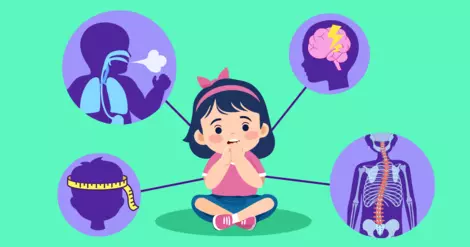
Children with Rett syndrome can have many related health conditions. Rett syndrome is a rare condition that affects brain development, muscle strength, sleep, and breathing. Children with Rett syndrome are often first misdiagnosed with autism or cerebral palsy.
This article covers seven conditions related to Rett syndrome. We’ll go over the signs and symptoms, along with why some conditions have overlapping diagnoses.
1. Epilepsy and Seizure Disorders
Epilepsy and seizures are common comorbidities, or related health conditions, in children with Rett syndrome. In one study of 103 girls with Rett syndrome, around 74 percent had seizures. Seizures most often began around age 4.
Epilepsy and seizures are likely related to small head growth, called microcephaly. This is a common finding in babies with Rett syndrome. Microcephaly can also cause delayed brain development and learning difficulties.
Children with atypical and classic Rett syndrome are most likely to experience seizures. Some children with a specific atypical form can develop seizures early — sometimes within the first few months of life. Common types of seizures seen with Rett syndrome include the following:
- Tonic-clonic seizures make the muscles stiff and jerky and can cause loss of consciousness. This is what most people think of with a “typical” seizure.
- Focal impaired awareness causes confusion and affects the child’s awareness.
- Myoclonic seizures cause muscles to twitch or jerk for a few seconds at a time.
According to the Epilepsy Foundation, the older a child is, the more likely they are to have seizures. For example, around 33 percent of children ages 2 to 5 have seizures. This number increases to nearly 75 percent by the ages of 10 to 15.
If your child with Rett syndrome has epilepsy or seizures, they’ll likely need medication for the rest of their life. About half of the cases are drug-resistant — meaning medications can’t help treat them.
2. Autism
Rett syndrome and autism share many symptoms. It’s not uncommon for children to be misdiagnosed with autism before they are diagnosed with Rett syndrome. This is because signs and symptoms look very similar and can develop around the same time.
Both Rett syndrome and autism involve developmental delays. This means children don’t reach their milestones as expected. They may experience normal development, then lose their ability to communicate — known as regression. Talking may become more difficult, and children may make less eye contact than they did before.
Repetitive hand movements are another telltale sign of both Rett syndrome and autism. Children with either condition may continuously slap, squeeze, or rub their hands. Hand wringing is also common.
Doctors have specific diagnostic criteria for telling the difference between Rett syndrome and autism. Genetic testing to look for changes in the MECP2 gene is key for diagnosing Rett syndrome. MECP2 mutations on the X chromosome help point to the correct diagnosis. Your child’s pediatrician or a specialist will use screening tools to tell the difference between autism and Rett syndrome.
3. Cerebral Palsy and Other Motor Impairments
Cerebral palsy is another condition that children with Rett syndrome may be misdiagnosed with. Like other related neurological disorders, Rett syndrome shares some key symptoms with cerebral palsy. Children with cerebral palsy can have a wide range of muscle problems, epilepsy, and intellectual disabilities.
Overlapping symptoms seen with Rett syndrome and cerebral palsy include:
- Seizures
- Changes in muscle tone and strength
- Walking difficulties, like walking on the toes
- Trouble balancing, which can lead to ataxia (problems with coordination)
- Delays in speech and trouble communicating
- Trouble reaching motor skills milestones, like crawling and walking
- Issues with hand skills, like picking up a spoon or buttoning a shirt
Diagnosing cerebral palsy can take up to a year after birth. Doctors look at symptoms, growth patterns, and overall health. Your child’s pediatrician may need to refer you to a specialist to help tell the difference between Rett syndrome and cerebral palsy. These specialists focus on treating conditions affecting the brain and development.
4. Scoliosis
Scoliosis refers to an abnormal sideways curve in the spine. Most children with Rett syndrome develop scoliosis between ages 8 and 11. As they get older, the curve can get worse. Spine abnormalities associated with scoliosis change a person’s posture. In severe cases, scoliosis can cause pain and make it hard to breathe.
The study of 103 girls with Rett syndrome found that almost 60 percent had scoliosis. Just under 12 percent needed spine surgery. In milder cases, doctors can manage scoliosis with a brace. The brace helps stop the spinal curve from getting worse.
Children with Rett syndrome who have scoliosis may also benefit from physical therapy. This involves exercises and stretches to strengthen muscles and make joints more flexible. Your child will work with a physical therapist and orthopedic specialist to come up with the best treatment plan.
5. Sleep Disorders
More than 80 percent of children with Rett syndrome have sleep problems. Common issues include:
- Taking daytime naps
- Waking up in the middle of the night
- Having trouble falling and staying asleep
- Laughing, screaming, or crying at night
- Having nighttime seizures
- Teeth grinding
These sleep disturbances change as children age. The older a child gets, the less likely they are to sleep at night. This also means they’re more likely to sleep during the day. Parents can try using sleep hygiene practices, such as keeping the bedroom dark and quiet before bed. If sleep problems continue, a doctor may recommend melatonin or other medications to help with sleep.
6. Pneumonia or Lung Infections
Rett syndrome also affects breathing patterns. The study of 103 girls found that almost 69 percent had at least one breathing problem. Symptoms of Rett syndrome to watch for include:
- Hyperventilation — Breathing too quickly
- Hypoventilation — Breathing too slowly
- Aerophagia — Swallowing air
- Breath-holding or apnea — Stopping breathing temporarily
- Forced exhalation — Breathing out very quickly
Children with Rett syndrome can also develop pneumonia or lung infections. This may be caused by inhaling food or water — known as aspiration. The International Rett Syndrome Foundation noted that there aren’t any standardized treatments for swallowing problems.
7. Gastrointestinal Conditions
Gastrointestinal issues are often seen in children with Rett syndrome. They may have trouble eating and drinking enough to stay well nourished and hydrated. Weight loss is common as well. Rett syndrome can also cause trouble swallowing, which raises the risk of aspiration and lung infections.
Digestive conditions associated with Rett syndrome include:
- Gastroesophageal reflux disease (GERD), which can cause vomiting and upset stomach
- Celiac disease, which causes an intolerance to gluten
Some children eventually need a feeding tube to deliver nutrients directly to the stomach. This tube helps with weight gain and prevents choking with difficulty swallowing. A doctor or dietitian may recommend thickening liquids to lower the risk of choking. Constipation is another digestive symptom that may be treated with laxatives.
How Related Conditions Can Affect Rett Syndrome
Rett syndrome is a complex genetic disorder that can affect nearly every system in the body. Learning about related conditions and common signs can help your child get the right diagnosis, care, and support. It can also help you plan for your child’s needs and work with your child’s care team.
As a parent or caregiver, learning what to expect can help you feel more prepared. If you think your child may have been misdiagnosed with autism or cerebral palsy, talk with your child’s pediatrician.
Join the Conversation
On MyRettTeam, people share their experiences with Rett syndrome, get advice, and find support from others who understand.
How have related health conditions affected your child with Rett syndrome? Let others know in the comments below.
- Rett Syndrome — Mayo Clinic
- Rett Syndrome — National Organization for Rare Disorders
- Multidisciplinary Management of Rett Syndrome: Twenty Years’ Experience — Genes
- Microcephaly — Boston Children’s Hospital
- What Is Rett Syndrome? — Epilepsy Foundation
- Tonic-Clonic Seizures — Epilepsy Foundation
- Types of Seizures — Epilepsy Foundation
- Myoclonic Seizures — Epilepsy Foundation
- Related Disorders — Autism Research Institute
- Autism Spectrum Disorder — Mayo Clinic
- How Do Healthcare Providers Diagnose Rett Syndrome? — Eunice Kennedy Shriver National Institute of Child Health and Human Development
- Clinical Testing and Diagnosis for Autism Spectrum Disorder — Centers for Disease Control and Development
- Cerebral Palsy — Mayo Clinic
- Scoliosis — Mayo Clinic
- Managing Scoliosis in Rett Syndrome — Rett Syndrome Europe
- Sleep Disorders in Rett Syndrome and Rett-Related Disorders: A Narrative Review — Frontiers in Neurology
- Rett Syndrome: Comprehensive Care Guidelines — International Rett Syndrome Foundation
- Rett Syndrome: Comprehensive Care Quick Reference — International Rett Syndrome Foundation
- Gastrostomy Tube (G-Tube) — Nemours KidsHealth
Related
- What causes Rett syndrome? See answer
- Can Rett syndrome affect life span? See answer
- How does Rett syndrome change in adulthood? See answer
- How does Rett syndrome affect walking and mobility? See answer






 Your Privacy Choices